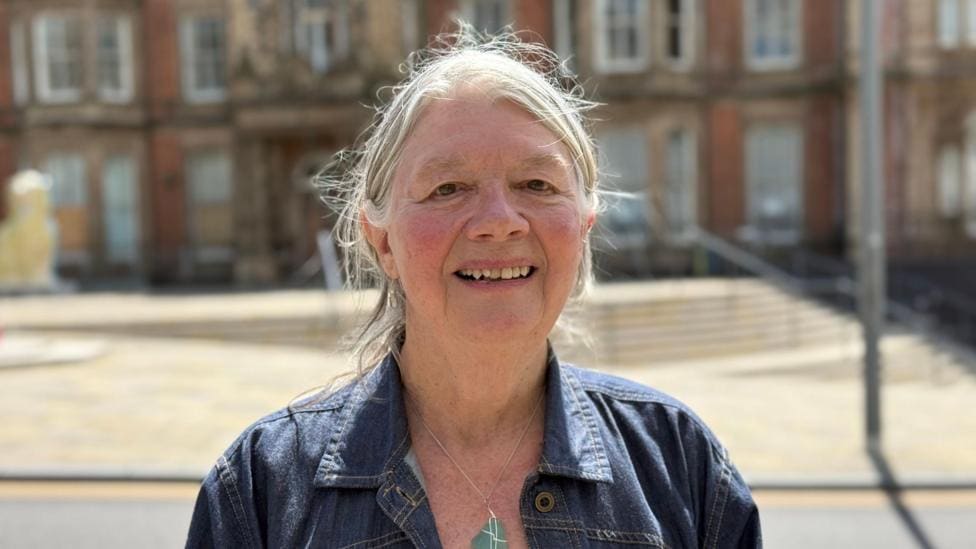
A former Stoke-on-Trent MP has expressed optimism about Andy Burnham's vision for delivering prosperity across England if he becomes prime minister. Joan Walley, who represented Stoke-on-Trent North from 1987 to 2015, told BBC Radio Stoke that she supports Burnham's pledge to bring "good growth to every postcode" and believes his background working in the north would bring a fresh perspective to national leadership. This endorsement comes as Burnham, currently mayor of Greater Manchester, seeks to position himself as a candidate who understands regional challenges beyond Westminster and Whitehall.
Walley got to know Burnham during his time as an MP between 2001 and 2017, before he moved into his role leading Greater Manchester. Speaking to BBC Radio Stoke, she described their politics as "very, very, very similar" and highlighted his work ethic and team-building abilities. The two collaborated on a coal mining review, which gave Walley direct experience of Burnham's approach to work and partnership.
Experience Shows How Regions Can Improve
Walley believes Burnham's experience working in the north of England would bring "a different perspective" and urgency to Number 10. She pointed to his work as mayor of Greater Manchester to demonstrate how regions can improve when powers are shared beyond the traditional centres of government power. Her comments suggest that regional devolution and local leadership could be key themes in any future Burnham-led government.
However, Burnham's plans have attracted criticism from opposition parties. Conservative Party chair Kevin Hollinrake accused Burnham of proposing "more devolution, more committees, more process" rather than tackling what he characterises as more pressing issues such as welfare and defence spending. This criticism frames Burnham's approach as focused on structural change rather than addressing immediate national concerns.
Scottish Opposition to Burnham's Plans
Scottish First Minister John Swinney has also voiced concerns about Burnham's vision. Swinney accused Burnham of showing a "lack of knowledge" about Scotland, suggesting that Burnham's northern focus may not adequately account for Scottish interests and circumstances. This criticism indicates that regional tensions may exist around how a Burnham-led government would balance the needs of different parts of the UK.
For residents in Rugeley and the surrounding area, Burnham's proposals could have implications for how power and resources flow from central government to local communities. Walley's endorsement suggests that supporters of regional devolution see Burnham as a candidate who would redistribute decision-making authority away from Whitehall. Those who favour traditional centralised governance, like Hollinrake, view this approach with scepticism.
What Comes Next
Burnham remains mayor of Greater Manchester and has not announced a formal leadership campaign. Walley's comments represent a significant endorsement from a former MP with decades of experience in regional representation. The contrast between her optimism and the criticism from Conservative and Scottish leadership shows that Burnham's vision remains contested across the political spectrum.
As the political debate develops, Burnham's approach to regional growth and devolution will likely continue to attract both support and criticism. Residents interested in understanding how different political proposals might affect local investment and decision-making can follow further reporting on this issue as the national political conversation evolves.